










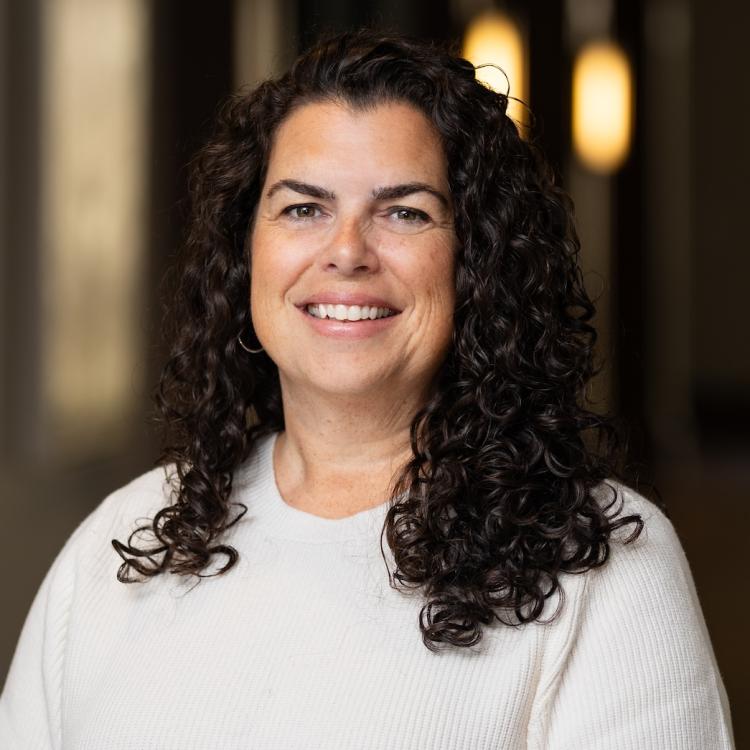
Dr. Sarah Quinter Kim is a social worker with over 25 years of experience strengthening the capacity of individuals, organizations, and communities through relationship-centered, trauma-informed practice. Her work spans child welfare, family homelessness, alternative education, and nonprofit leadership, helping organizations build stronger programs while expanding support for children, families, and communities.
A central focus of Dr. Kim’s work has been equipping staff, volunteers, and faith communities to walk alongside families experiencing adversity. As part of a national nonprofit, she supported the implementation of a relationship-centered practice model across multiple affiliates by developing training curricula, practice standards, organizational resources, and outcome-tracking systems that strengthened program quality and consistency. She is passionate about helping people live out their values and faith through service in ways that honor the dignity, autonomy, and strengths of those they serve.
As an educator, Dr. Kim is committed to preparing future social workers not only with the knowledge and skills needed to practice effectively, but also with the self-awareness and reflective capacity necessary to build authentic, ethical relationships. She encourages students to examine how their experiences, values, assumptions, and culture influence their professional practice and to continually reflect on how they show up in relationships with others. Her teaching integrates theory, research, and practice wisdom while fostering critical thinking, professionalism, and compassionate engagement.
Education
DSW, Tulane University
MSW, University of Pittsburgh
BSW, Shippensburg University
Research Interests
Dr. Kim’s research interests include improving outcomes for youth transitioning from foster care, child welfare policy and practice, and the intersection of the child welfare, mental health, and substance use treatment systems. Her focus examines how policies, programs, and community contexts shape opportunities and outcomes, with the aim of informing practices that promote equity, resilience, and lasting change.